
Highlights
- A weak or failing car battery shows early signs like slow cranking, dim lights, and warning indicators.
- Extreme weather, driving habits, and poor maintenance shorten battery life.
- Regular inspections and voltage tests help confirm battery health.
- Replacing a battery before it completely dies prevents being stranded.
- Proper installation, maintenance, and regular driving extend battery lifespan.
- Local battery recycling programs make disposal safe and environmentally friendly.
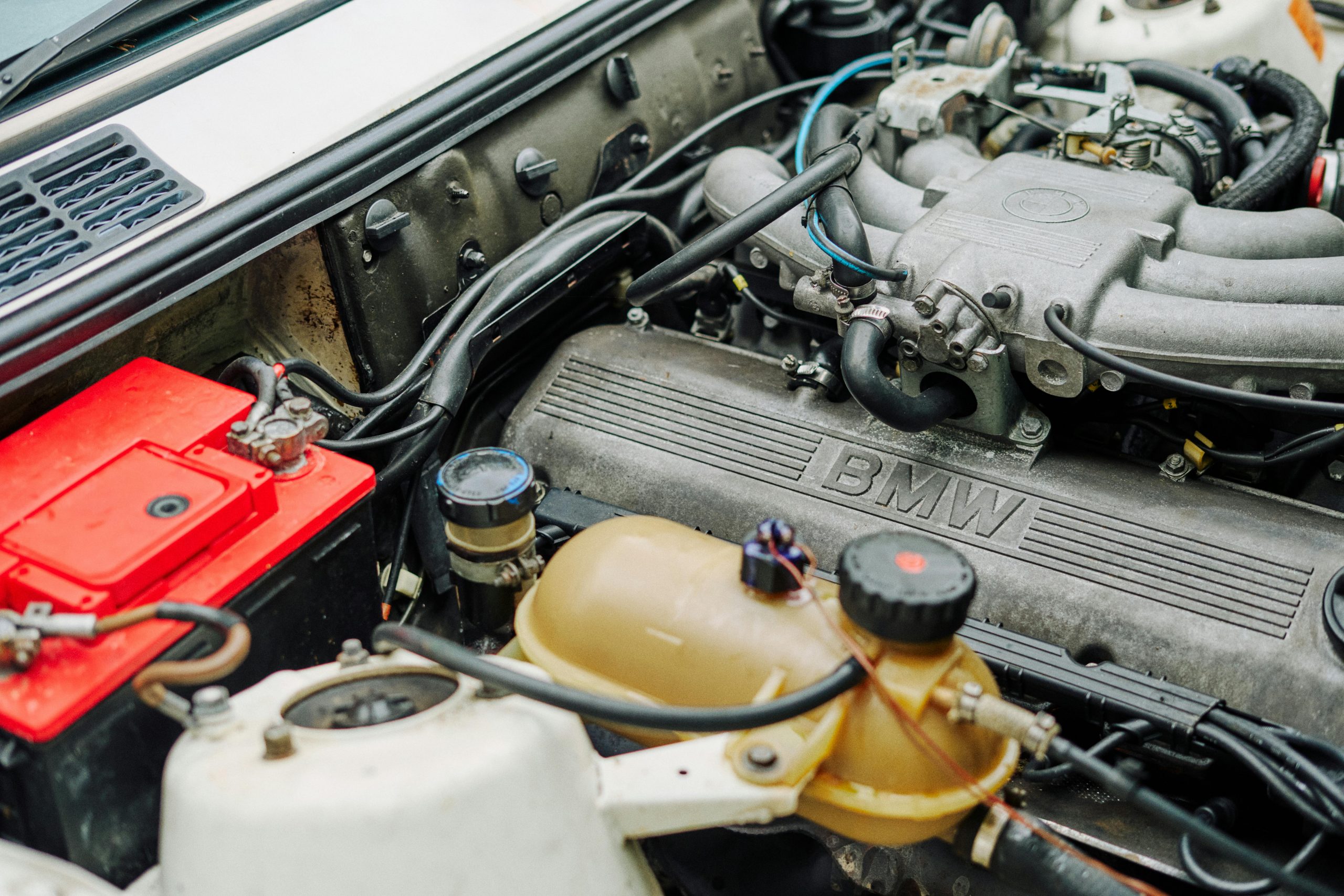
Few things are more frustrating than turning your key—or pushing the start button—and hearing nothing but a click. Your car battery is the heart of your vehicle’s electrical system, powering everything from the ignition to your headlights, and when it fails, it can leave you stranded. The good news? Car batteries rarely die without warning.
By learning to recognize the early warning signs of battery failure, you can take action before it becomes a bigger issue. This article will walk you through common signs of a dying battery, how to confirm if it’s really the problem, and the steps to take when it’s time for a replacement. You’ll also learn how to extend your new battery’s life and avoid common mistakes that many drivers make.
Why Car Batteries Fail
Car batteries don’t last forever. Understanding why they fail will help you maintain yours better and spot problems before they cause major inconvenience.
- Age and Natural Wear
Most car batteries last 3–5 years depending on usage and climate. Inside the battery, chemical reactions slowly lose efficiency over time, reducing the ability to hold a charge. If your battery is approaching that age range, it’s time to monitor it closely.
- Driving Habits
Short trips and infrequent driving prevent the alternator from fully charging the battery. If you regularly drive less than 10–15 minutes, your battery may remain undercharged, shortening its lifespan.
- Weather Conditions
Extreme heat accelerates chemical breakdown inside the battery, while freezing temperatures thicken the engine oil and require more power to start the engine. Both extremes put extra strain on the battery.
- Corrosion and Loose Connections
Corroded terminals or loose connections can reduce current flow and mimic a dead battery. Regular inspections and cleaning can help prevent these issues.
Early Warning Signs of a Failing Car Battery
A dying battery often gives off several clues before it stops working completely. Spotting these signs early can save you from a roadside emergency.
- Slow Engine Crank
If your engine takes longer to start than usual, or you notice a sluggish crank, it’s a sign the battery doesn’t have enough power to turn over the engine efficiently.
- Dim or Flickering Lights
Your headlights, interior lights, or dashboard display may appear dimmer. This happens because the battery isn’t providing enough voltage to power all electrical systems.
- Electrical Issues
Failing batteries can cause power windows to move slower, radio settings to reset, or your infotainment system to malfunction. If multiple systems are acting up at once, the battery may be the culprit.
- Clicking Noise When Starting
When you hear a rapid clicking sound instead of the engine starting, the battery doesn’t have enough charge to engage the starter motor fully.
- Battery Warning Light
Most vehicles have a dashboard indicator shaped like a battery. If this light turns on, it means there’s a problem with the charging system—possibly the battery or alternator.
- Swollen or Bloated Battery Case
A bulging battery case indicates it has overheated or suffered internal damage. This is a serious sign and requires immediate replacement.
- Rotten Egg Smell
If you notice a sulfur-like odor under the hood, it may mean the battery is leaking acid. This is hazardous and should be addressed immediately.
How to Confirm Your Battery Is the Problem
Not every starting issue means your battery is bad. To avoid unnecessary replacement, confirm the battery is the cause.
Visual Inspection
Open the hood and check for corrosion on terminals, cracks, or leaks. Corrosion can be cleaned, but a cracked or leaking battery must be replaced immediately.
Voltage Test with a Multimeter
A healthy, fully charged battery should read about 12.6 volts when the car is off. Anything below 12.4 volts indicates a partial charge, and below 12.0 volts means it’s deeply discharged.
Load Testing
Many auto parts stores will perform a free battery load test. This test measures how the battery performs under stress and is one of the best ways to confirm its health.
Alternator Check
Sometimes the issue isn’t the battery but the alternator, which recharges the battery while driving. A mechanic or parts store can test both to pinpoint the problem.
What to Do Next if Your Battery Is Failing
Once you’ve confirmed the battery is weak or failing, it’s time to act before it completely dies.
- Take Immediate Short-Term Actions
- Keep jumper cables or a portable jump starter in your car.
- Avoid using electronics like the radio or phone charger when the engine is off.
- Plan your replacement soon to avoid being stranded.
- Decide Where to Replace the Battery
- Dealerships: Typically offer OEM batteries but may be more expensive.
- Auto Parts Stores: Usually have a wide selection and can install on the spot.
- Mechanics: Good option if your car needs other service at the same time. You can also check local battery stores that focus on both automotive and household batteries to find specialized service and expert advice.
- Choose the Right Replacement Battery
- Match the correct group size and specifications for your vehicle.
- Pay attention to cold-cranking amps (CCA) for reliable winter starts.
- Consider AGM (Absorbent Glass Mat) batteries for longer lifespan and better vibration resistance.
- Decide on DIY vs. Professional Installation
Installing a battery yourself can save money, but follow safety steps:
- Wear gloves and goggles.
- Disconnect the negative terminal first, then the positive.
- Clean terminals before attaching the new battery.
How to Extend Your New Battery’s Life
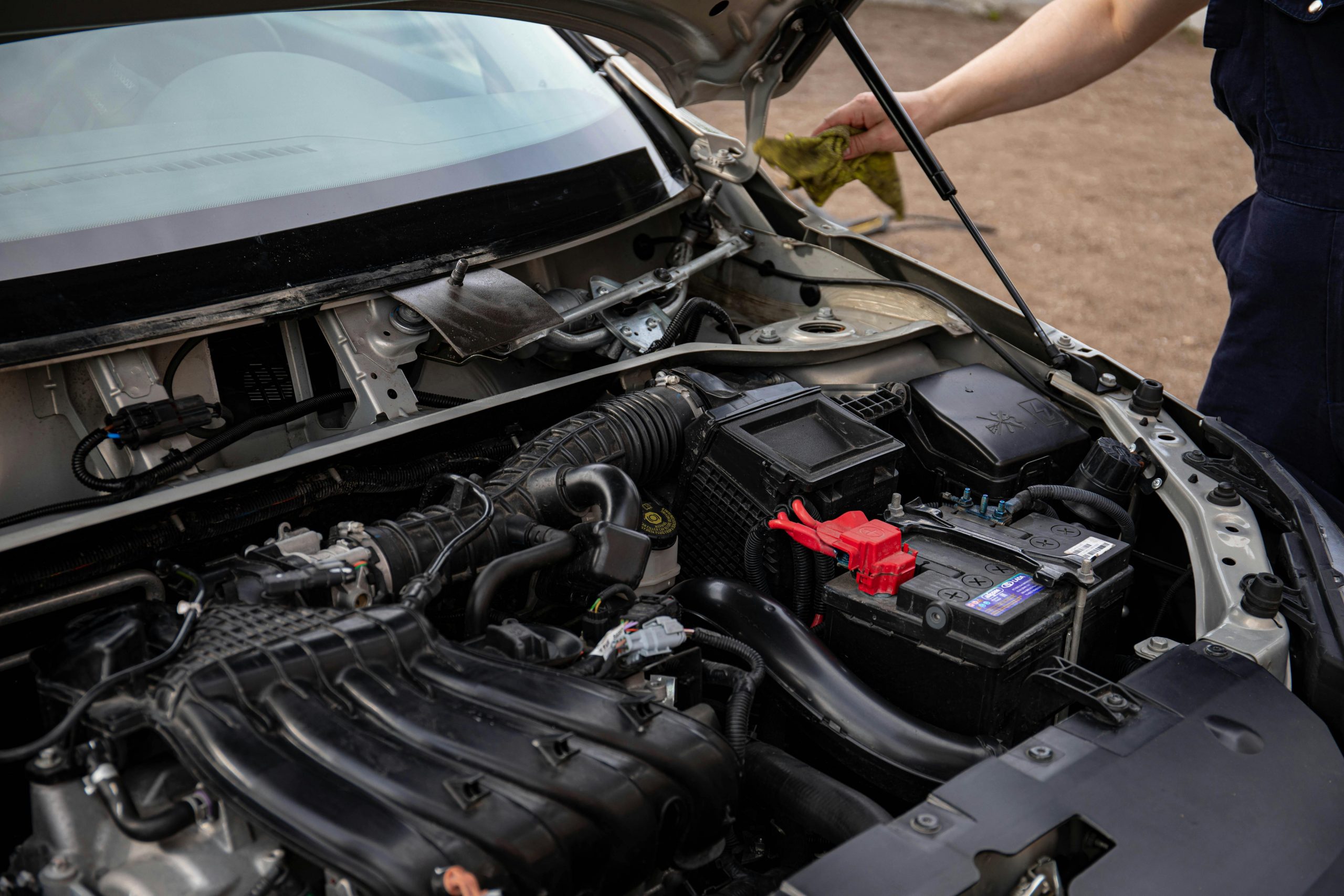
A little maintenance goes a long way toward keeping your new battery healthy.
- Drive Regularly: Take at least one 20–30 minute drive weekly to keep it fully charged.
- Clean Battery Terminals: Remove corrosion using a wire brush and apply anti-corrosion spray.
- Check Charging System: Have your alternator inspected annually.
- Avoid Excessive Parasitic Drain: Don’t leave lights, chargers, or accessories plugged in when parked.
- Use a Battery Maintainer: Ideal if the car will sit for weeks or months.
Common Mistakes to Avoid
Even well-meaning drivers make errors that shorten battery life.
- Ignoring Warning Signs: Waiting until the car won’t start can leave you stranded at inconvenient times.
- Incorrect Jump-Starting: Reversing cable connections can damage sensitive electronics.
- Mixing Old and New Batteries: In vehicles with dual-battery systems, both should be replaced at the same time.
- Improper Disposal: Car batteries contain lead and acid and must be recycled properly to avoid environmental harm.
Conclusion
Your car battery is easy to overlook until it fails, but paying attention to the early warning signs can save you time, money, and frustration. Slow starts, dim lights, and dashboard warning lights are all signals that shouldn’t be ignored.
When replacement becomes necessary, choose the right battery, have it properly installed, and follow good maintenance practices to maximize its lifespan. Whether you do it yourself or go to a professional, the key is acting early—before you’re stranded in a parking lot with a dead battery.
A little attention today keeps your car running smoothly tomorrow, so make battery inspection part of your regular maintenance routine.