
- Batteries, alternators, and overheating engines are among the most common causes of sudden breakdowns.
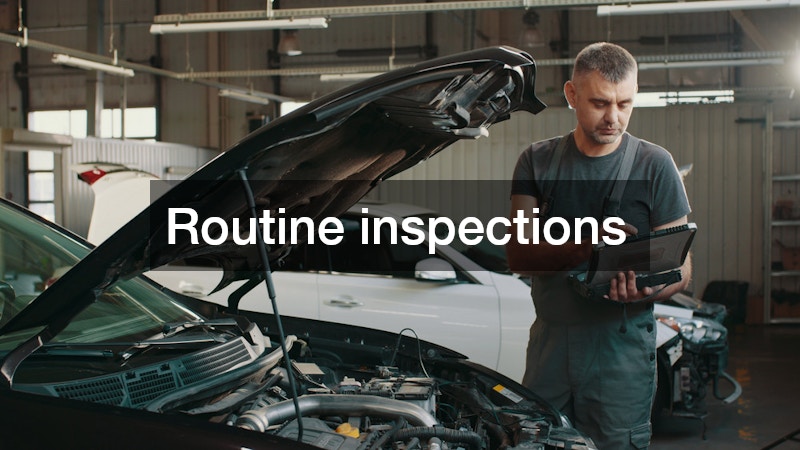
- Routine inspections and fluid checks can prevent most mechanical issues.
- Tires, brakes, and transmission problems often show early warning signs—don’t ignore them.
- Preventive maintenance is more cost-effective than emergency repairs.
- Knowing what causes sudden failure helps you act before trouble strikes.
- Keep a basic emergency kit and be prepared for roadside issues.
- Relying on a well-reviewed car repair shop for emergencies can save time and stress when unexpected trouble happens.
One moment, your car is running smoothly. The next, you’re pulled over on the side of the road, wondering what went wrong. Sudden car trouble can happen to anyone—and it usually strikes at the worst possible time. But while breakdowns may seem random, many are preventable with the right maintenance and attention.
This article covers the most common causes of sudden vehicle failure and offers practical, detailed tips to help you avoid costly and dangerous breakdowns. Whether you’re commuting daily or planning a road trip, understanding how to prevent these problems can keep you safer and your car running reliably.
1. Dead Battery
A dead battery is one of the leading reasons drivers get stranded without warning. Batteries lose strength over time, and many fail with little or no warning.
Why It Happens:
- Battery is older than 3–5 years
- Lights or accessories left on with engine off
- Corroded or loose battery terminals
- Weak alternator not charging the battery
- Exposure to extreme heat or cold
How to Prevent It:
- Inspect the battery monthly for corrosion, swelling, or loose connections.
- Test the voltage using a multimeter; anything below 12.4 volts may need a charge or replacement.
- Replace your battery every 3–5 years, even if it still works.
- Keep jumper cables or a jump starter in your trunk in case of emergency.
- Turn off lights and electronics when the engine isn’t running.
2. Alternator Failure
Your alternator charges the battery and powers electronics while the engine runs. If it fails, your battery quickly drains—and your car can stall with little warning.
Warning Signs:
- Dim or flickering headlights
- Warning light on dashboard (often shaped like a battery)
- Electrical accessories behaving erratically
- Burning rubber smell
- Sudden stalling while driving
How to Prevent It:
- Test your alternator output during routine maintenance (normal range: 13.5–14.5 volts).
- Watch for early signs, especially during nighttime driving.
- Replace the serpentine belt when worn, as it powers the alternator.
- Listen for whining noises, which may indicate a failing alternator bearing.
3. Engine Overheating
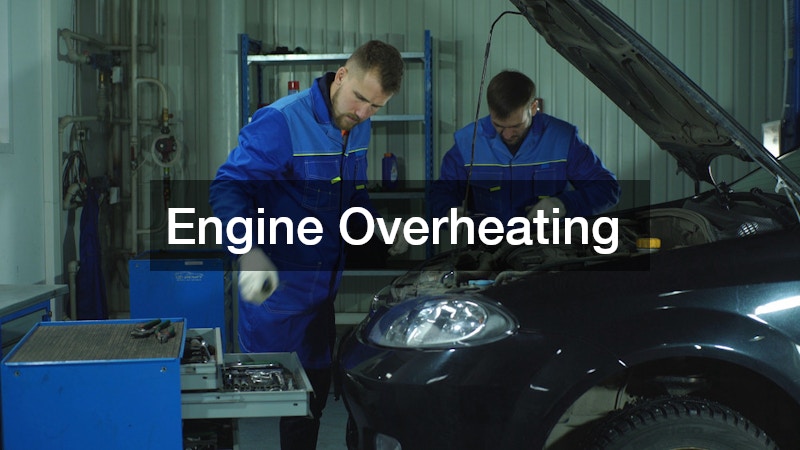
An overheating engine can cause permanent damage and often comes with little advance notice—especially in older cars or in hot climates.
What Causes Overheating:
- Low coolant level or leaking radiator
- Broken water pump or radiator fan
- Blocked coolant passage or thermostat failure
- Driving with the A/C on in hot conditions for long periods
How to Prevent It:
- Check coolant levels monthly and top off with the correct type.
- Inspect radiator hoses for cracks or bulges.
- Flush the radiator every 30,000–60,000 miles as recommended.
- Watch your temperature gauge and pull over if it spikes.
- Never remove the radiator cap when the engine is hot—this can cause burns from steam.
4. Flat Tire or Blowout
Tire failure is another common reason for roadside emergencies, especially at high speeds.
What Causes It:
- Underinflated or overinflated tires
- Driving over sharp objects or potholes
- Worn-out or damaged tire sidewalls
- Excessive heat buildup
- Failing to rotate tires regularly
How to Prevent It:
- Check tire pressure monthly (including the spare), using your car’s recommended PSI.
- Inspect tread depth with a penny—if Lincoln’s head is visible, the tread is too worn.
- Rotate tires every 5,000–8,000 miles for even wear.
- Replace tires every 6 years, even if the tread looks fine.
- Avoid overloading your vehicle, which stresses the tires.
5. Brake Failure
Your brakes are your most critical safety system. While total failure is rare, ignoring symptoms can lead to extremely dangerous situations.
What Causes Brake Trouble:
- Worn brake pads or warped rotors
- Leaking brake fluid
- Air in the brake lines
- Faulty brake master cylinder
- Overheating from riding the brakes
Warning Signs:
- Squealing or grinding sounds
- Spongy or soft brake pedal
- Car pulling to one side when braking
- Dashboard brake warning light
- Burning smell while stopping
How to Prevent It:
- Have your brakes inspected at every oil change or every 6 months.
- Replace brake pads before they reach the wear indicator.
- Top off or replace brake fluid as recommended by your vehicle’s maintenance schedule.
- Avoid excessive braking—especially downhill—to reduce heat buildup.
6. Transmission Failure
Transmission issues often come with subtle symptoms before they become catastrophic—and expensive.
Common Causes:
- Low or dirty transmission fluid
- Harsh driving habits (rapid shifting, towing heavy loads)
- Ignoring transmission service intervals
- Overheating or fluid leaks
- Faulty solenoids or sensors
Warning Signs:
- Delayed gear engagement
- Slipping gears or rough shifts
- Burning smell or leaking fluid
- Grinding noise while driving
How to Prevent It:
- Check transmission fluid level and color monthly—fluid should be pink and clean, not brown or burnt.
- Service the transmission every 30,000–60,000 miles, depending on your vehicle.
- Use the correct transmission fluid specified in your owner’s manual.
- Don’t tow beyond capacity and avoid aggressive acceleration or shifting.
7. Ignition System Failures
Ignition system issues often catch drivers by surprise—resulting in a no-start condition or stalling.
Possible Problems:
- Dead key fob battery (in push-start cars)
- Faulty starter motor or ignition switch
- Bad spark plugs or ignition coils
- Worn ignition wires
How to Prevent It:
- Replace spark plugs according to manufacturer recommendations (often 30k–100k miles).
- Listen for misfires or hard starts and get them checked immediately.
- Check your fob battery annually and carry a spare in the glove box.
- Have your ignition system tested during routine inspections.
8. Fuel System Issues
Fuel delivery problems can cause sudden stalling, misfires, or loss of power.
What Causes It:
- Dirty fuel injectors
- Clogged fuel filter
- Failed fuel pump
- Bad fuel (water or debris contamination)
Warning Signs:
- Difficulty starting
- Jerky acceleration
- Engine sputtering
- Poor fuel economy
- Check engine light on
How to Prevent It:
- Use high-quality gasoline and avoid stations with old pumps or tanks.
- Replace fuel filter as recommended (often every 30k–60k miles).
- Use fuel system cleaner occasionally to keep injectors clean.
- Avoid letting the tank run near empty, which increases debris pulled into the fuel system.
9. Sensor or Computer Malfunctions
Modern cars rely on sensors and onboard computers to run everything from emissions to engine timing. A single sensor failure can trigger major symptoms.
Common Issues:
- Faulty oxygen (O2) sensor
- Bad mass airflow (MAF) sensor
- Corrupted data from engine control module (ECM)
- Failing throttle position or crankshaft sensors
Symptoms to Watch For:
- Check engine light
- Reduced fuel efficiency
- Engine running rough or stalling
- Sudden loss of power or limp mode
Prevention Tips:
- Don’t ignore warning lights—get a scan tool reading to identify the problem.
- Use a diagnostic code reader or visit a repair shop for accurate diagnostics.
- Avoid disconnecting the battery improperly, which can reset sensors or damage the ECM.
- Keep the battery healthy, since poor voltage can affect sensor function.
10. Driver Error & Oversights
Sometimes the “sudden breakdown” is caused by simple human mistakes that are easy to avoid with a little caution.
Examples of Common Mistakes:
- Putting the wrong fuel in the tank
- Leaving headlights or dome lights on overnight
- Forgetting routine maintenance
- Not recognizing early warning signs
- Overloading the car and stressing key systems
How to Avoid Them:
- Double-check fuel pump labels before filling up
- Use reminders or apps to track maintenance
- Familiarize yourself with your dashboard indicators
- Stay alert to changes in how your car sounds or feels
Conclusion
Most sudden car troubles don’t appear out of nowhere—they’re often the result of neglecting routine maintenance or ignoring early warning signs. From dead batteries and flat tires to overheating engines and transmission failures, many breakdowns can be avoided with regular checks, smart driving habits, and attention to your vehicle’s needs.
Preventive maintenance isn’t just about saving money—it’s also about your safety, peace of mind, and keeping your car dependable when you need it most. If something does go wrong, having a well-reviewed car repair shop for emergencies on your contact list can make all the difference.