
There’s something undeniably exciting about buying your first boat. The thought of gliding across the water, exploring hidden coves, and spending weekends under the sun sounds like the ultimate escape from everyday life. But before you set sail, there’s a lot more to boat ownership than meets the eye. From choosing the right type of vessel to understanding maintenance, costs, and safety essentials, being a responsible boat owner means doing your homework before you hit the water.
This guide walks you through everything you need to know as a first-time boat owner—what kind of boat fits your lifestyle, what expenses to expect, and how to keep your investment running smoothly. You’ll also learn about modern upgrades, key boating laws, and the basics of navigation and safety. Whether you’re dreaming of peaceful lake days or ocean adventures, this guide will help you start your boating journey on the right course.
1. Choosing the Right Boat for Your Lifestyle

Before you dive headfirst into the boating world, it’s important to figure out what kind of boating experience you want. Are you dreaming of lazy weekends cruising along calm lakes, fishing at dawn, or pulling water skiers across open water? Maybe you’re looking for something built for speed, or perhaps you just want a cozy pontoon for family gatherings. The type of boat you choose will shape your entire experience on the water.
Think about how many people will typically join you, how often you plan to use your boat, and what kind of water you’ll be navigating. For example, smaller boats like bowriders or deck boats are perfect for lakes and rivers, while larger cabin cruisers are better for extended trips or rougher seas. Also, consider storage—will you be keeping it at a marina, or do you have space at home for trailering and winter storage?
2. What Boat Ownership Really Costs
Buying a boat isn’t just about the purchase price. There are plenty of ongoing expenses that first-time owners often overlook. Fuel, insurance, registration, maintenance, storage fees, and equipment upgrades can all add up quickly. Even small boats come with recurring costs, and failing to budget for them can turn your dream hobby into a stressful experience.
Here’s a quick breakdown of typical costs to keep in mind:
-
Fuel and oil: These can fluctuate greatly depending on your boat’s size and engine type.
-
Insurance: Coverage varies by location and type of vessel, but it’s a must-have.
-
Maintenance and repairs: Expect to spend at least 10% of your boat’s value annually.
-
Storage: Marina slips and dry storage fees can range widely by region.
-
Licensing and registration: Annual fees depend on your state or country.
If you plan to store your boat at home or on private property, consider investing in boat lifts to keep your vessel out of the water when not in use. Lifts help prevent hull damage, reduce corrosion, and make cleaning and maintenance easier over time. They’re an upfront cost that can save you money on repairs down the line.
You’ll also want to account for boat dock supplies like bumpers, cleats, ropes, and ladders—small essentials that protect your boat and make docking safer and more convenient. These accessories may seem minor, but they add to the total cost of ownership and help you create a smoother, safer boating routine.
In short, owning a boat is similar to owning a car—except it usually requires more upkeep and a bit more love.
3. Safety Equipment Every Boat Should Have
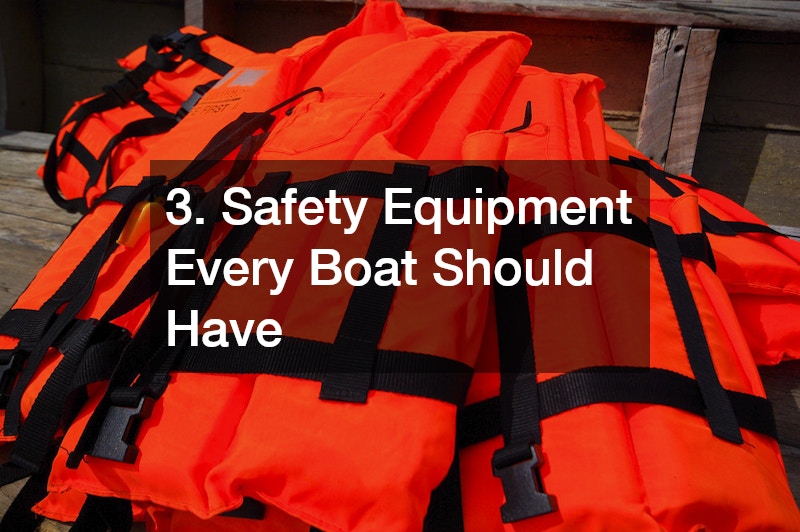
Safety should always come first when you’re out on the water. Even if you’re an excellent swimmer or an experienced driver, accidents can happen quickly when weather or water conditions change. Having the right gear onboard can make all the difference.
At a minimum, every boat should have the following:
-
Life jackets (PFDs): One for each person on board, properly sized and in good condition.
-
Throwable flotation device: Such as a ring buoy or cushion.
-
Fire extinguisher: Marine-rated and within easy reach.
-
Visual distress signals: Flares or LED distress lights.
-
Sound-producing device: Like a horn or whistle.
-
First aid kit: Stocked with supplies for cuts, burns, and seasickness.
-
Anchor and rope: Essential if your engine fails or you need to stop.
It’s also smart to keep a waterproof flashlight, extra batteries, and a basic tool kit onboard. These small additions can make a big difference in unexpected situations.
4. The Importance of a Marine Survey Before Buying
A marine survey is essentially a home inspection for boats—and it’s one of the smartest investments you can make before finalizing your purchase. Even if the boat looks perfect on the surface, a professional surveyor can uncover hidden problems like hull damage, electrical issues, or engine troubles.
Marine surveying is especially important for used boats. They not only give you peace of mind but can also help you negotiate a better deal. The report will detail the vessel’s overall condition, estimated market value, and any necessary repairs. Think of it as your safeguard against buying a “lemon” that costs you more in the long run.
5. Keeping Your Boat Running Smoothly
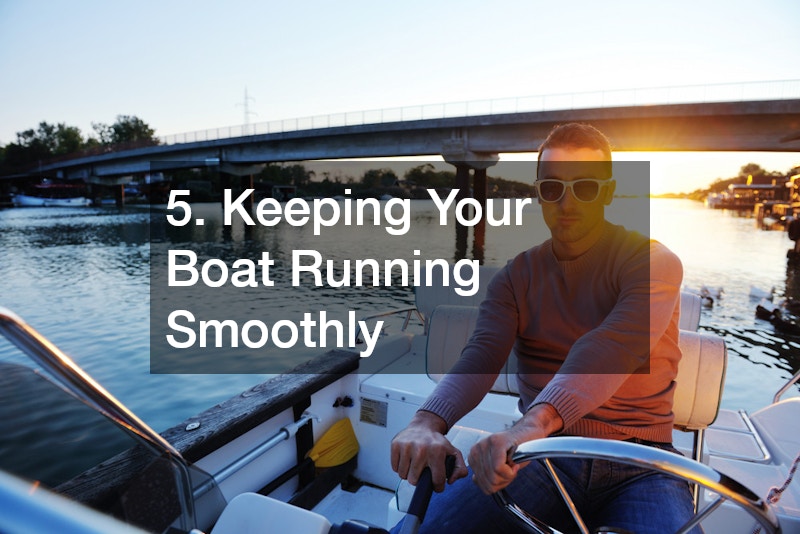
When it comes to keeping your boat in top shape, the engine and onboard systems deserve just as much attention as the exterior. Think of this as the “under the hood” side of boat care—less glamorous than detailing, but absolutely essential for reliability and safety.
Start by getting familiar with your boat’s key systems: the engine, electrical components, plumbing, and fuel systems. Regular checks can help you catch small issues before they turn into expensive repairs. Here are a few maintenance habits every boat owner should adopt:
-
Inspect the engine regularly: Look for leaks, corrosion, and worn belts or hoses.
-
Check oil and coolant levels: Change oil as recommended by the manufacturer.
-
Flush the engine after saltwater use: Prevents salt buildup and corrosion.
-
Test your bilge pump and navigation lights: Safety depends on these working properly.
-
Monitor fuel filters and lines: Replace them if you spot cracks or clogs.
-
Keep the battery charged: Disconnect it during long storage periods to extend life.
Your electrical system is just as crucial as your engine, so pay close attention to your marine batteries. Unlike standard car batteries, marine batteries are designed to withstand vibration, handle deep discharges, and power essential systems like navigation, lighting, and onboard electronics. Regularly clean the terminals, check the charge, and ensure connections are tight and corrosion-free. Replacing worn-out batteries before they fail can save you from being stranded in the middle of the water.
Even if you prefer to do some of the simpler tasks yourself, schedule a professional tune-up at least once a year. Mechanics can inspect your propulsion system, steering, and other critical parts that might not be obvious to the untrained eye.
With consistent upkeep, you’ll enjoy smoother rides, fewer breakdowns, and a boat that’s always ready for your next adventure.
6. Keeping Your Boat Looking Its Best
Boat detailing goes beyond simple washing—it’s about keeping your vessel looking pristine while protecting it from the harsh elements of sun, salt, and water. Just like with cars, regular detailing can preserve your boat’s finish, prevent corrosion, and maintain its resale value. It’s a combination of cleaning, polishing, and protecting every surface, from the hull and deck to the upholstery and chrome fittings.
You can detail your boat yourself or hire a professional service, depending on how deep you want the cleaning to go. Here’s what a thorough detailing session usually includes:
-
Exterior wash and wax: Removes grime and adds a protective shine.
-
Gelcoat and fiberglass polishing: Helps restore the glossy finish and prevent oxidation.
-
Upholstery cleaning: Keeps seats and cushions free from mold and mildew.
-
Metal polishing: Prevents rust and keeps railings and hardware looking new.
-
Interior detailing: Cleans storage areas, cabins, and consoles for a fresh, well-kept look.
To protect your hard work after detailing, consider using boat shade covers when your vessel is not in use. These covers shield the interior and exterior surfaces from harmful UV rays, bird droppings, and debris—common culprits that fade paint and damage upholstery. A good cover also reduces how often you’ll need to clean and wax your boat, saving you both time and effort over the long run.
Regular detailing not only keeps your boat beautiful but also extends its lifespan. Think of it as a form of preventative maintenance—it’s much easier to protect your investment than to repair damage later.
7. Modern Upgrades Worth Considering
Technology has made boating safer, easier, and more enjoyable than ever. Whether you’re buying a brand-new model or upgrading an older vessel, there are plenty of modern add-ons that can enhance your experience.
Some popular upgrades include:
-
GPS and chartplotters: Essential for navigation and safety.
-
Fish finders: Perfect for anglers looking to up their game.
-
LED lighting: Great for both aesthetics and visibility at night.
-
Marine audio systems: For those who want to enjoy music on the water.
-
Electric winches or anchoring systems: Simplify docking and mooring.
For those seeking smoother rides, especially in rough waters, a Seakeeper installation can be a game-changer. This advanced gyro-stabilization system minimizes boat roll, improving comfort and stability for everyone on board. It’s particularly popular among larger vessels and serious boaters who value performance and safety during offshore trips.
You might also consider comfort-focused additions like upgraded seating, shade canopies, or small refrigerators if you plan to spend long hours on board. The goal is to make your boat suit your lifestyle—whether that means performance, relaxation, or entertainment.
8. Licensing, Registration, and Boating Laws
Just like driving a car, boating comes with rules and responsibilities. Most places require you to register your vessel and display the proper identification numbers. Depending on where you live, you might also need a boating license or safety certification to operate certain types of boats or engines.
It’s important to familiarize yourself with local laws before heading out. Regulations can cover everything from life jacket requirements and speed limits to no-wake zones and environmental rules. For example, some waters prohibit the dumping of waste or certain types of fuel additives.
Make it a habit to carry your registration documents, identification, and proof of insurance every time you go boating. It’s also smart to review navigational “rules of the road” to avoid collisions and ensure safe operation around other vessels.
9. Docking, Launching, and Towing Tips for Beginners
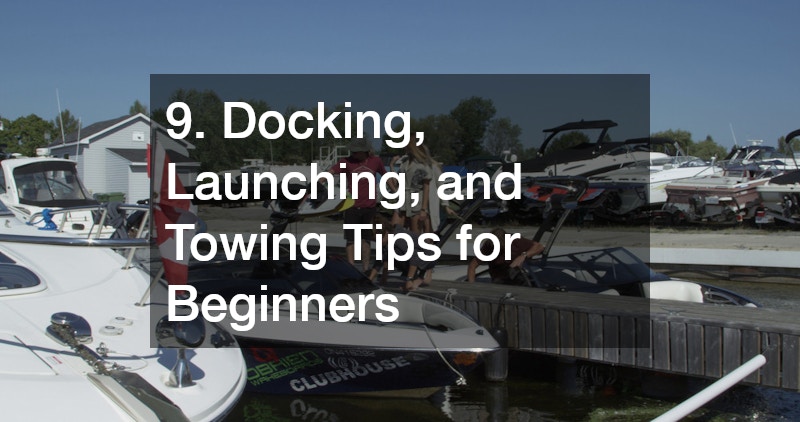
Mastering docking and launching can be nerve-wracking for first-time boat owners, but with practice, it gets easier. Start by taking it slow—literally. Low speeds give you more control and less chance of damage. Wind and current can affect your approach, so always account for them before making your move.
Here are a few beginner tips to keep in mind:
-
Practice in calm conditions: Early morning or weekday hours are ideal for learning.
-
Use your crew: Assign clear roles when launching or docking to avoid confusion.
-
Mind your lines: Keep dock lines organized and ready to use.
-
Approach at an angle: Coming in too fast or head-on can lead to bumps or scrapes.
-
Don’t panic: If something goes wrong, back out slowly and try again.
If you’re docking at a floating boat dock, take note of how the dock moves with the water level. These docks are great for convenience and safety but can feel different compared to fixed docks, especially when boarding or unloading passengers. Over time, you’ll learn how to adjust your approach depending on the type of dock and conditions.
For those storing their boats at home or a marina, don’t overlook maintenance tasks like boat lift repairs. A well-functioning lift keeps your boat secure, prevents hull damage, and makes launching or retrieval much easier.
If you’re trailering your boat, make sure your towing vehicle can handle the weight and that your hitch, lights, and straps are all secure. Practice backing down a ramp before doing it in front of a crowd—it’s a skill every boat owner eventually masters with time.
10. Weather, Navigation, and Safety on the Water
Weather can change fast, and even seasoned boaters can get caught off guard. Before setting out, always check the forecast and keep an eye on the sky while you’re out there. A sudden drop in temperature, dark clouds, or increasing wind can all signal rough conditions ahead.
It’s also crucial to understand basic navigation. Learn how to read charts, buoys, and channel markers—they’re your road signs on the water. GPS systems are fantastic tools, but it’s best not to rely on them entirely. Knowing how to navigate using visual cues and compass readings can save you if your electronics fail.
When it comes to safety after dark or during foggy conditions, proper lighting can make all the difference. Make sure your boat’s navigation and anchor lights are working, and if you keep your vessel at a private dock, consider hiring a dock lighting service to install quality lighting that improves visibility for safer arrivals and departures. Well-lit docks not only prevent accidents but also make it easier to spot obstacles or other boats approaching the area.
Here are a few safety habits to stick to:
-
File a float plan with a friend or family member before every trip.
-
Keep a weather radio or marine VHF radio onboard.
-
Avoid alcohol while operating the boat—it’s more dangerous than many realize.
-
Always keep an eye out for swimmers, kayakers, and other vessels.
Preparedness and awareness go a long way in keeping everyone safe and your boating experience enjoyable.
11. Joining the Boating Community and Staying Connected
Boating isn’t just about owning a vessel—it’s about joining a community of people who share the same love for the water. Whether it’s through local marinas, yacht clubs, online forums, or social media groups, you’ll find countless opportunities to connect, learn, and share experiences.
Many communities host events like regattas, cleanup drives, or social cruises. These are great for networking, improving your skills, and discovering new boating destinations. You’ll also find that seasoned boaters are often eager to offer tips, from maintenance tricks to the best local fishing spots.
Joining a boating club or organization can also give you access to perks like discounted marina fees, insurance benefits, or training workshops. Plus, it’s simply more fun when you’re surrounded by people who understand your passion for the open water.
Conclusion: Is Owning a Boat Worth It?
Owning a boat is more than just a hobby—it’s a lifestyle. It comes with responsibilities, costs, and a learning curve, but the rewards are hard to beat. The freedom to explore lakes, rivers, and coastal waters on your own terms can bring a sense of adventure that few other activities offer.
For first-time boat owners, the key to success is preparation. Take the time to research, learn, and invest in safety and maintenance. Surround yourself with a supportive boating community, and you’ll find that even the challenges—like docking mishaps or cleaning days—become part of the fun.
In the end, boat ownership is about creating memories: watching the sunset from the deck, teaching your kids to fish, or simply enjoying a peaceful moment surrounded by water. If that sounds like your kind of adventure, then yes—owning a boat is absolutely worth it.