
Experiencing a car accident is stressful and overwhelming. Even minor collisions can leave drivers feeling anxious, uncertain, and unsure of what steps to take next. Many people focus solely on the damage to their vehicle, forgetting the importance of protecting themselves and others immediately after a crash. Taking the right steps can reduce stress, prevent further damage, and make the recovery process much smoother.
Minimizing stress begins with staying calm and organized. Clear thinking helps you respond effectively, whether you’re coordinating with other drivers, contacting authorities, or managing insurance paperwork. Protecting your vehicle at the same time ensures that any damage does not worsen and that repairs can proceed efficiently. By understanding the sequence of actions to take after an accident, you can avoid common mistakes and feel more confident navigating what can otherwise be a challenging situation.
This guide provides practical steps to safeguard your well-being and your vehicle. From documenting the incident and contacting professionals to arranging repairs and learning defensive strategies, these approaches help drivers regain control quickly and safely.
1. Stay Calm and Ensure Immediate Safety

The first step after any accident is to remain calm. Panic can make a small situation worse and lead to careless decisions. Before assessing damage or exchanging information, make sure that everyone involved is safe. Check for injuries and, if necessary, call emergency services immediately. Safety should always be the top priority.
Once all individuals are out of harm’s way, move your vehicle to a safe location if possible. Leaving it in a dangerous spot may increase the risk of another collision or cause traffic disruptions. Alerting other drivers through hazard lights or warning triangles can help prevent secondary accidents.
Even after ensuring safety, the emotional impact of a crash can linger. Taking a few deep breaths, writing down your account of events, and keeping a calm demeanor when speaking to other drivers or witnesses can make a significant difference.
At this stage, it’s also important to plan for next steps regarding professional assistance. Engaging with auto services promptly can help start the recovery process, whether that involves damage assessments, towing, or repairs.
2. Document the Accident Thoroughly
Proper documentation protects you legally and financially. Start by taking photographs of all vehicles involved, noting the positions, visible damages, and any relevant road conditions. Capture license plates, surrounding signage, and skid marks if present. The more thorough your evidence, the easier it will be to process claims or defend your position if questions arise later.
Write down details immediately, including the time, location, weather conditions, and any actions leading up to the crash. Statements from witnesses can also be invaluable. Collecting contact information ensures you have sources who can verify your account if disputes arise.
Documentation is also critical for insurance purposes. Providing accurate and comprehensive information can speed up the claims process. Detailed records help auto collision centers assess damages quickly and provide precise repair estimates, which reduces delays and confusion later.
A well-documented accident reduces the risk of disagreements and ensures that both your vehicle and financial interests are protected. Taking this step seriously can prevent complications down the road, especially when multiple parties or insurance companies are involved.
3. Notify Authorities and Exchange Information

After an accident, contacting local authorities is often necessary, particularly for moderate to severe crashes. Police or traffic officers create official reports, which are vital for insurance claims and legal matters. A professional report provides an unbiased account of the incident, which can prevent disputes and support any future legal or repair needs.
When exchanging information with other drivers, focus on names, addresses, phone numbers, driver’s license numbers, and vehicle registration details. Insurance policy numbers should also be shared. Avoid discussing fault at the scene; stating opinions or making admissions can complicate matters later.
This is also an ideal time to begin contacting repair professionals. Auto body repairs specialists often work directly with insurance companies and can provide guidance on immediate actions to protect your vehicle and ensure a smooth restoration process.
Gathering all necessary information early saves time and reduces stress. It also allows you to plan the next steps without rushing or overlooking key details, which is especially important when coordinating with multiple service providers.
4. Contact Your Insurance Provider Quickly
Notifying your car insurance company promptly is essential for efficient claim processing. Most insurance policies require immediate reporting, and delays can complicate your ability to recover costs. When contacting your provider, stick to factual descriptions and avoid speculating about fault or liability. Provide the photos and notes you collected for documentation.
Your insurance provider can recommend trusted repair shops, arrange damage inspections, and clarify coverage for different types of repairs. Early communication reduces waiting times and ensures that all parties involved are aware of the vehicle’s condition and required repairs.
Insurance representatives often guide drivers through logistical steps, such as arranging temporary transportation or coordinating estimates with auto collision centers. This support can significantly reduce the burden on a stressed driver while guaranteeing that repairs proceed efficiently.
Prompt reporting also safeguards your financial interests. By keeping your insurance provider informed and organized, you help prevent disputes over claims and ensure that your vehicle receives timely attention from qualified professionals.
5. Arrange Towing if Necessary
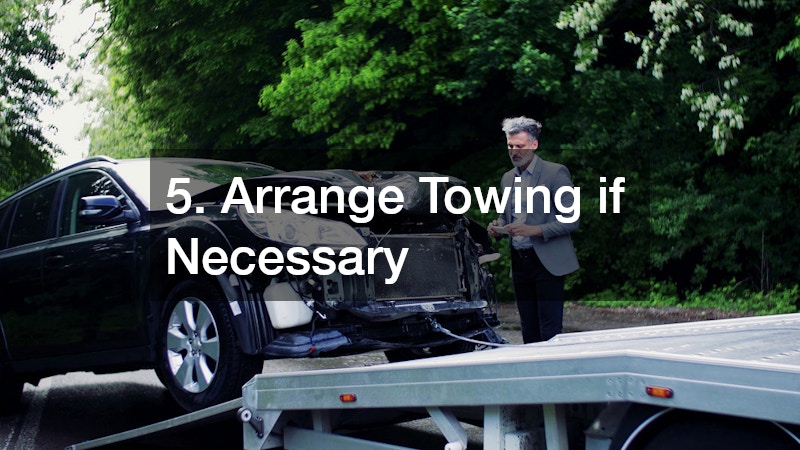
If your vehicle is not drivable or is in a hazardous location, contacting a professional towing company is the safest choice. Towing prevents further damage to your car, protects other drivers on the road, and allows the vehicle to reach a repair facility safely.
Professional tow operators have the right equipment to move vehicles with varying levels of damage. Attempting to drive a heavily damaged car can worsen mechanical issues, compromise safety, or violate insurance requirements. A licensed towing company ensures that your car is transported efficiently and securely.
Scheduling towing quickly also reduces stress and simplifies the repair process. Many towing companies partner with local mechanics or repair centers, allowing seamless transition from the accident site to a facility that can assess damages, provide temporary fixes, or begin permanent repairs.
Using professional towing services protects your vehicle’s structural integrity and reduces the risk of additional expenses caused by attempting unsafe transportation.
6. Assess and Repair Damage
Once your vehicle reaches a safe location, it’s crucial to have a professional evaluate the damage. Car repairs may involve multiple systems, from structural elements to mechanical or cosmetic components. Early assessment helps prioritize necessary work and prevents small issues from worsening.
Qualified repair centers provide accurate estimates for both bodywork and mechanical fixes. Depending on the severity, repairs can range from minor dent removal to extensive auto body repairs. Skilled technicians ensure that the vehicle is restored safely, maintaining alignment, suspension, and structural integrity.
Scheduling repairs promptly reduces the risk of further deterioration. For example, exposure to the elements can worsen dents, scratches, or broken glass. Professional assessments also help insurance companies validate claims efficiently, speeding up the approval and repair process.
7. Address Auto Glass and Structural Concerns

Damage to windows, windshields, or other glass surfaces requires immediate attention. Professional auto glass repair services restore visibility, structural stability, and safety. Cracks or chips can worsen over time, particularly with exposure to weather changes or temperature fluctuations.
Replacing or repairing glass promptly also ensures that your insurance claim accurately reflects the vehicle’s condition. A broken windshield can compromise safety during driving, affecting the effectiveness of airbags and visibility. Reputable technicians use precise methods to fit new glass securely and ensure proper sealing.
Addressing structural concerns alongside glass repairs helps prevent secondary issues. Cars involved in collisions often suffer hidden frame or alignment problems. Expert technicians assess these risks while repairing glass to guarantee long-term safety and performance.
8. Check Mechanical Systems
Collisions can impact essential systems in ways that are not immediately visible, including the engine, brakes, steering, suspension, and transmission. Even a seemingly minor fender-bender can create subtle issues that, if left unchecked, may worsen over time and compromise vehicle performance or safety. For example, transmission repairs are particularly sensitive because even a light impact can cause misalignment, damage internal components, or affect fluid circulation. Problems in the transmission can lead to rough shifting, unexpected slipping, or decreased efficiency, making early inspection critical.
Qualified mechanics conduct a thorough examination of all major systems to identify hidden damage. They check the suspension for bent components or worn bushings, the steering for alignment or linkage problems, and the electrical system for any disrupted wiring or sensor errors. Detecting these issues early prevents minor damage from turning into costly repairs. This is especially important for older vehicles or high-mileage cars, where cumulative wear can amplify the effects of a collision. By addressing problems promptly, you preserve both safety and long-term reliability.
Working with experienced local mechanics offers several advantages. These professionals understand how different systems interact and can provide a comprehensive assessment in one place, rather than requiring visits to multiple specialists. They can recommend practical repair solutions, prioritize critical fixes, and guide you through both immediate and preventive maintenance.
9. Learn and Practice Defensive Driving
After an accident, many drivers feel anxious or hesitant behind the wheel. Enrolling in a defensive driving course can restore confidence and reduce the likelihood of future collisions. These courses teach techniques to anticipate hazards, maintain safe distances, and respond effectively to unexpected situations.
Defensive driving training benefits not only personal safety but also insurance rates. Many insurers offer discounts for completing approved courses. Understanding proper reaction techniques helps drivers make better split-second decisions, preventing accidents and reducing stress while on the road.
By combining formal instruction with mindful practice, drivers can regain control and drive with confidence. This proactive approach turns a stressful experience into an opportunity for learning and long-term safety improvement.
10. Prevent Future Stress with Ongoing Vehicle Maintenance
Finally, maintaining your vehicle regularly prevents many problems that contribute to stress after a crash. Scheduling routine inspections, fluid checks, and minor repairs ensures that your car is always in optimal condition. Partnering with reputable auto services for preventive care reduces the likelihood of unexpected mechanical failures or complications following minor accidents.
Routine attention also helps preserve insurance value. Vehicles in good condition sustain lower repair costs and higher resale or trade-in value. Regular maintenance complements other proactive measures, such as enrolling in a defensive driving course, allowing you to stay safe and confident behind the wheel.
By combining proactive care with lessons learned from past accidents, drivers can minimize future stress, safeguard their vehicles, and enjoy peace of mind on every trip.
Experiencing a car accident is challenging, but taking deliberate steps immediately afterward can reduce stress and protect your vehicle. Staying calm, documenting the incident, contacting authorities, and engaging professional services ensures safety and smooth recovery. Following up with insurance claims, professional repairs, and ongoing maintenance allows drivers to restore both vehicle performance and peace of mind.
From arranging towing and glass repairs to assessing mechanical needs and learning defensive driving techniques, each step plays a vital role in minimizing risks and costs while helping drivers regain control after an accident. Promptly addressing every aspect of the vehicle, from structural damage to mechanical components, prevents small issues from becoming major problems that could compromise safety or increase repair expenses. By combining careful planning with trusted auto collision centers, skilled auto body repairs, and reliable local mechanics, drivers can navigate the recovery process efficiently, avoiding unnecessary delays and confusion.
Proper attention to each stage—including insurance coordination, repair scheduling, and follow-up maintenance—ensures that the vehicle is restored to safe, reliable condition. Taking a proactive approach not only protects your car but also gives peace of mind, allowing you to focus on driving safely and confidently. Additionally, integrating lessons learned from the accident, such as enrolling in a defensive driving course or implementing preventive maintenance routines, helps reduce the likelihood of future collisions.
Ultimately, what may initially feel like a stressful and overwhelming event can be transformed into a structured, manageable process. By addressing every detail methodically and leveraging professional expertise, drivers protect their financial interests, preserve the long-term value of their vehicles, and prioritize personal safety. Recovery becomes not just about fixing the car, but about creating a smarter, safer driving experience for the road ahead.