Owning a vehicle is one of the most significant financial investments most people make, yet daily wear, extreme weather, and unexpected road hazards constantly pull away at its performance, safety, and monetary value. For the vast majority of drivers, vehicle care is purely reactive. A warning light turns on, an unfamiliar noise rattles under the hood, or a sudden collision occurs, and only then is action taken. This reactive mindset leads to astronomical repair bills, unnecessary stress, and a significantly shortened vehicle lifespan.
Taking a hybrid approach to automotive ownership changes the equation entirely. By combining proactive mechanical servicing, deliberate aesthetic protection, and a clear understanding of post-incident recovery, you can preserve your vehicle’s performance, keep your passengers safe, and protect your financial investment for years to come. Whether you drive a brand-new luxury sedan, a heavy-duty work truck, or a well-loved daily commuter, this comprehensive guide breaks down the essential strategies every driver needs to master.
Establishing a Proactive Mechanical Maintenance Routine
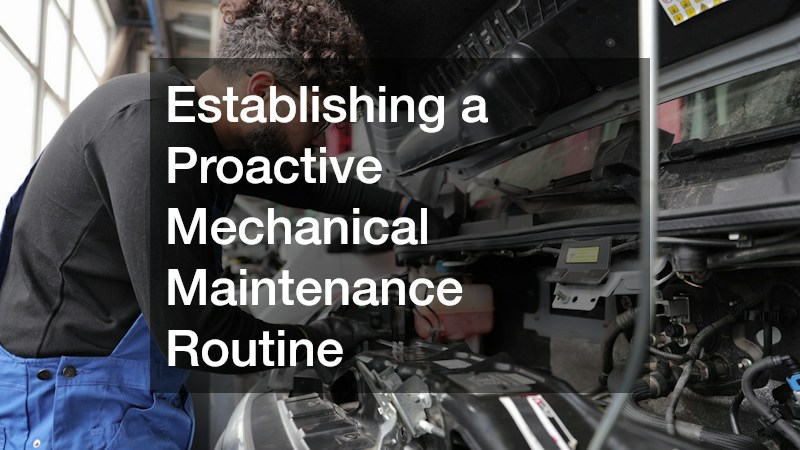
Laying a strong foundation for mechanical longevity requires catching component wear before it manifests as catastrophic failure. A vehicle relies on interconnected systems, meaning a neglected part in one area can quickly cause secondary damage elsewhere. Establishing a recurring inspection routine ensures that minor issues are identified and resolved during low-cost, routine check-ups rather than high-stress emergency breakdowns.
To maintain optimal stopping power and hydraulic health, drivers must look beyond simple fluid level checks. While inspecting engine oil, coolant, transmission fluid, and power steering reserves every month is vital, the braking system demands equal vigilance. Over time, moisture accumulates inside hydraulic brake lines, lowering the boiling point of the fluid and causing a soft pedal feel under heavy stopping conditions. Furthermore, brake pads gradually wear down, transferring heat directly to the rotors and caliper pistons. Scheduling timely brake repair services ensures pads are replaced before metal-on-metal contact occurs, protecting the rotors from severe scoring and preserving the master cylinder’s integrity. Paying attention to subtle warning signs—such as high-pitched squealing, steering wheel vibration while decelerating, or increased stopping distances—will keep your stopping system responsive and safe.
Sourcing high-quality replacement parts is another critical element of long-term mechanical health. When replacing worn belts, filters, or ignition components, choosing between original equipment manufacturer specifications and reputable aftermarket alternatives depends on your vehicle’s age and performance requirements. Establishing a consistent relationship with reliable local auto parts suppliers ensures quick access to verified replacement components, proper fitment guarantees, and knowledgeable advice regarding material grades. High-grade replacement parts maintain structural tolerances, reduce premature wear on surrounding machinery, and keep your vehicle operating within factory specifications.
Navigating Specialized Engine Care and Import Upkeep
Not all powertrains are engineered equally. Modern vehicles range from high-torque, heavy-duty workhorses to intricate, high-revolution European sports cars. Treating every engine with a generic, one-size-fits-all maintenance routine will lead to poor fuel efficiency, missed diagnostic red flags, and premature mechanical failure. Understanding the specific mechanical demands of your engine architecture allows you to apply tailored care that preserves power and fuel economy.
Heavy-duty powertrains operating under high compression demand strict maintenance protocols tailored to their unique fuel delivery and combustion systems. Compression-ignition systems rely on precise fuel atomization and extreme pressure rather than traditional spark plugs. Over time, fuel injectors can become clogged with carbon deposits, leading to rough idling, excessive soot production, and reduced fuel economy. Additionally, modern diesel emission systems—including diesel particulate filters, exhaust gas recirculation valves, and selective catalytic reduction networks—require active management to avoid severe clogging. Utilizing professional diesel engine services helps clear stubborn carbon buildup, monitor glow plug efficiency, drain water-fuel separators, and perform forced filter regenerations, ensuring that high-torque engines continue delivering maximum hauling power without triggering restrictive limp-mode protocols.
• Heavy-Duty and Specialized Engine Care Checklist:
– Drain the water-fuel separator every 5,000 miles to prevent injector corrosion.
– Add high-lubricity fuel treatments during cold weather months to prevent wax gelling.
– Monitor diesel particulate filter soot levels and allow complete burn-off cycles during long drives.
– Inspect turbocharger intercooler hoses for oil pooling or boost leaks.
– Check glow plug resistance annually using a multimeter to ensure reliable cold starts.
European imported vehicles present a completely different set of engineering considerations. Designed with tight mechanical tolerances, advanced dual-clutch transmissions, and sensitive electronic sensor networks, these automobiles demand specialized attention. Standard domestic diagnostic tools often fail to read manufacturer-specific error codes, hiding underlying electronic software faults or variable valve timing issues. Entrusting these vehicles to technicians trained specifically in Audi repair ensures that factory-specified diagnostic protocols are followed, correct fluid viscosities are used, and direct-injection carbon build-up on intake valves is cleared safely using specialized walnut-shell blasting techniques.
Restoring Exterior Integrity and Structural Protection
A vehicle’s exterior is far more than a cosmetic shell; it is a carefully engineered defense system designed to protect occupants from environmental elements and absorb impact forces during a collision. Neglecting surface scratches, structural panel misalignment, or minor glass chips compromises the structural integrity of the entire vehicle, inviting rust and reducing crash safety performance.
When a vehicle suffers body damage from a minor collision, hail storm, or parking lot incident, immediate restoration is essential to prevent long-term corrosion. Modern body panels utilize a combination of high-strength steel, aluminum, and composite materials, all coated with multiple layers of primer, base coats, and clear coats. Even a small paint chip can expose bare metal to ambient moisture, starting a chemical oxidation process that spreads beneath surrounding paint layers. Professional auto body repair involves far more than applying fresh paint; it requires precision frame-alignment racks to restore structural dimensions, dent-pulling techniques that preserve metal memory, and specialized eco-friendly clear coats that seal against road salt, ultraviolet rays, and environmental acid rain.
• Exterior Preservation Protocol:
– Wash the vehicle body every two weeks using pH-neutral automotive soap to remove road grime.
– Apply a synthetic sealant or ceramic coating twice a year to create a hydrophobic UV barrier.
– Inspect lower rocker panels, door jambs, and wheel wells for micro-chips every spring.
– Treat exposed paint chips immediately with factory-matched touch-up paint and clear sealer.
– Wash the undercarriage thoroughly after winter storms to eliminate corrosive de-icing chemicals.
Glass components require the same rigorous maintenance standard as metal body panels. A vehicle’s windshield acts as a critical structural support member, contributing up to forty percent of the cabin’s structural strength during a rollover accident and providing a backdrop for proper passenger airbag deployment. Small stone chips and minor stress fractures can quickly spread across the glass face when exposed to dramatic temperature shifts or chassis flex. Recognizing when a chip can be sealed with clear resin versus when complete car glass replacement is required is essential for road safety. Modern replacement procedures must also account for recalibrating Advanced Driver Assistance Systems, ensuring that forward-facing cameras, lane-departure sensors, and automatic emergency braking systems operate with absolute accuracy.
Enhancing Cabin Comfort, Protection, and Pre-Owned Valuations
The interior environment directly impacts your driving comfort, health, and overall vehicle valuation. Heat, sunlight, and everyday foot traffic continuously degrade cabin materials, turning a pristine interior into a faded, cracked, and noisy space. Furthermore, whether you are trying to maintain a long-term keeper or preparing a pre-owned purchase for daily commute duties, protecting cabin materials pays high dividends when it comes time to trade in or sell.
Solar radiation is the primary enemy of automotive interiors. Direct sunlight passing through untinted automotive glass elevates interior temperatures dramatically, causing vinyl dashboards to off-gas, leather seats to dry out and split, and cloth upholstery to fade unevenly. Installing professional car tinting creates an effective barrier against destructive thermal energy and ultraviolet rays. Advanced ceramic and carbon window films block up to ninety-nine percent of harmful UV rays and reject a substantial percentage of total solar energy without interfering with digital cellular, GPS, or satellite radio signals. This simple investment lowers cabin temperatures, reduces strain on the air conditioning system, and preserves delicate interior surfaces for years.
• Interior and Pre-Owned Valuation Checklist:
– Clean interior leather quarterly using a pH-balanced cleaner followed by a deep conditioner.
– Apply UV-protectant dressings to synthetic dashboard and door panel surfaces monthly.
– Vacuum carpets using a stiff-bristle brush attachment to lift embedded grit and sand.
– Use high-quality floor mats to shield factory carpet from moisture, dirt, and salt stains.
– Inspect used vehicle purchases for hidden frame seam rust, water marks under carpets, and uneven tire wear.
Maintaining or evaluating second-hand vehicles requires a systematic approach to value preservation. When inspecting or reconditioning used cars, buyers and owners should look beyond glossy exterior detailing to evaluate overall health. Checking carpet padding for hidden moisture reveals past sunroof leaks or heater core failures, while inspecting rubber door seals ensures cabin noise isolation remains intact. Taking time to detail seat rails, condition leather bolsters, replace worn shift boots, and deep-clean HVAC ductwork restores that fresh-vehicle feeling and preserves thousands of dollars in resale equity.
Protecting Your Legal and Financial Rights After an Incident
Even the most meticulously maintained vehicle can be involved in an unexpected collision due to inclement weather, road hazards, or driver negligence. What happens in the minutes, days, and weeks following an accident will directly impact your physical recovery, property restoration, and financial stability. Knowing how to handle scene safety, evidence gathering, and administrative procedures protects you from unfair liability and unpaid damages.
The immediate priorities following any physical impact are securing safety and documenting facts. Once the vehicle is moved to a safe location—if possible—and emergency services are contacted, gathering comprehensive visual evidence is critical. Photographing overall vehicle placement, skid marks, road conditions, traffic control signals, and specific structural damage provides an undeniable record of events. While insurance adjusters work quickly to minimize payout liabilities, navigating complex injury claims, fault disputes, and vehicle valuation loss often requires experienced guidance. Retaining an established car accident lawyer ensures that your physical injuries are properly documented, medical bills are managed, and property damage evaluations accurately reflect actual repair costs rather than low-ball insurance estimates.
Post-Accident Action Checklist:
– Check all passengers and involved parties for injuries; call emergency services immediately.
– Move vehicles to a safe shoulder or pull-off area if they are creating a traffic hazard.
– Exchange full contact, driver’s license, and insurance policy details with all drivers involved.
– Photograph all vehicle damage, license plates, eyewitnesses, intersection signs, and weather conditions.
– Refrain from admitting fault or giving recorded statements to insurance adjusters at the scene.
– Seek a comprehensive medical evaluation within 24 hours, even if injuries seem minor initially.
– Keep a detailed paper trail of medical receipts, vehicle repair quotes, towing bills, and lost work time.
When multi-vehicle collisions involve disputed liability, uninsured motorists, or severe physical harm, legal complexities escalate quickly. Insurance companies employ teams of adjusters and defense teams whose primary goal is protecting their company’s bottom line. Working alongside a dedicated auto accident attorney gives you an aggressive advocate who can subpoena traffic camera footage, reconstruct collision mechanics with expert witnesses, and negotiate directly with stubborn insurance carriers. This professional support shields you from predatory settlement offers, ensuring you receive complete compensation for vehicle repairs, diminished vehicle value, wage losses, and long-term medical care.
Using This Guide for Vehicle Maintenance
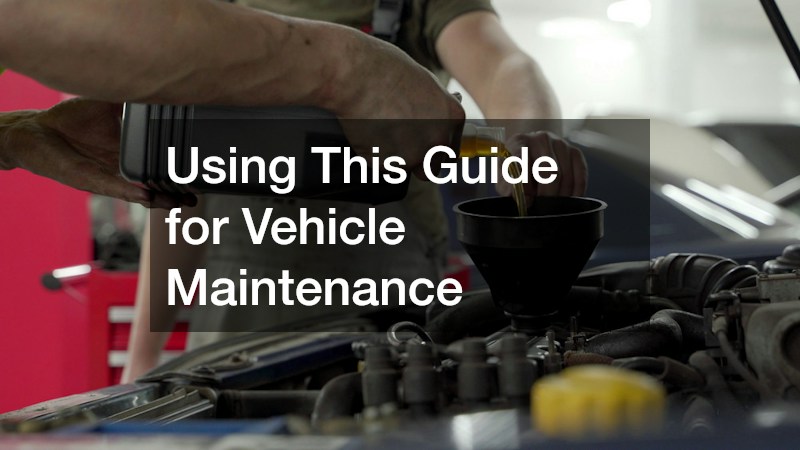
Taking care of an automobile requires a balanced strategy that brings together consistent mechanical maintenance, smart aesthetic preservation, and informed decision-making when unexpected events occur on the road. By moving away from a reactive mindset and adopting structured care habits, you preserve your vehicle’s safety, protect its long-term financial value, and enjoy a far more dependable driving experience.
Every dollar and minute invested in proactive maintenance—from monitoring stopping power and specialized engine components to shielding your cabin from environmental wear—pays off through extended vehicle lifespan and reduced repair bills. Should an unexpected accident alter your plans, knowing how to protect your safety, document physical evidence, and secure proper legal backing ensures that your financial interests remain fully protected. Take charge of your vehicle care routine today; perform a comprehensive check of your vehicle’s vital systems, address minor surface or mechanical issues before they grow, and drive with total confidence on every journey ahead.